

How to care for piano black trim in a car without scratching it
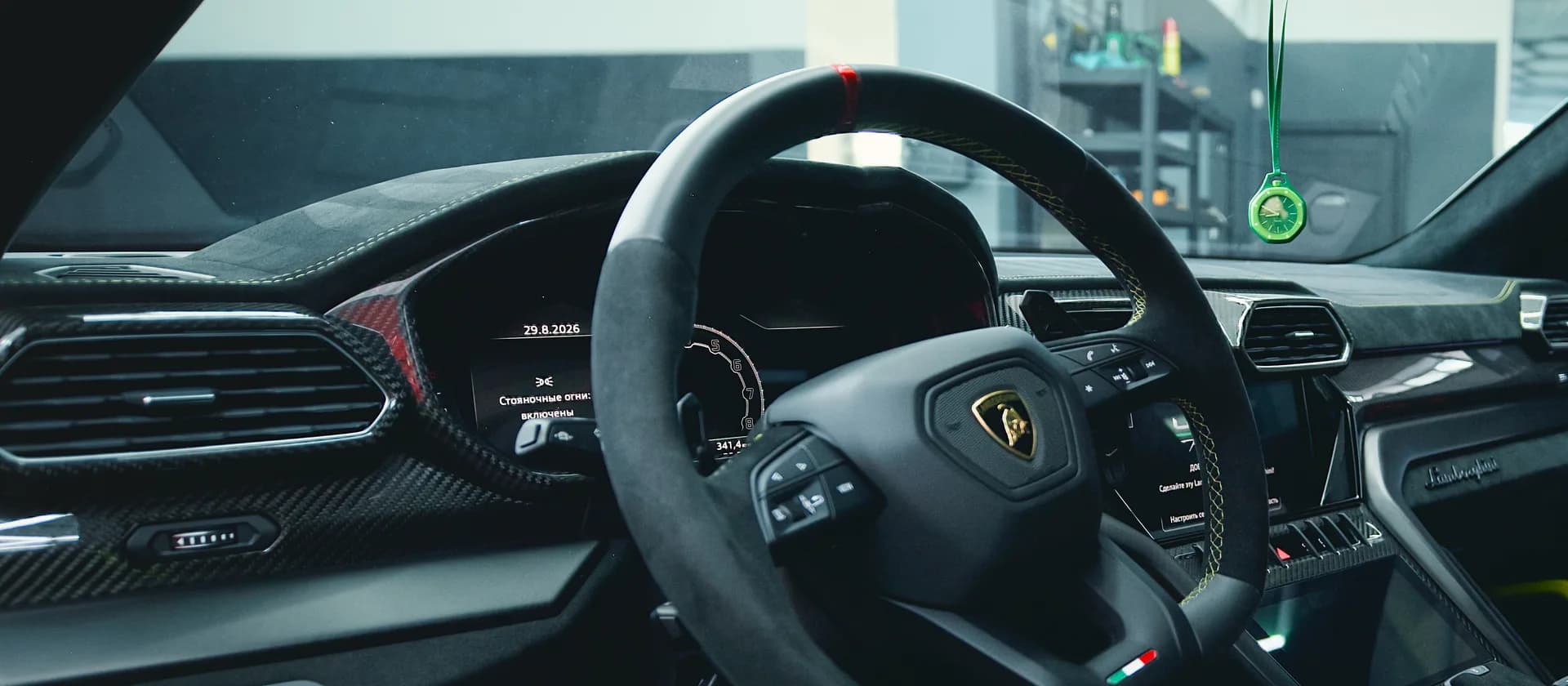
A practical guide to piano black trim: safe dust removal, microfiber choice, scratch assessment, polishing limits and protective film for interior panels.
Quick Summary
Key Takeaways
Reading time
11 min read
Location
Warsaw
- •How should you care for piano black trim? The short answer
- •Why does piano black trim scratch so easily?
- •How do you clean piano black trim safely, step by step?
- •Which microfiber towel should you choose?
How should you care for piano black trim? The short answer
Only wipe piano black trim after loose dust has been removed, using a perfectly clean, soft microfiber cloth, very little pressure and chemistry that is compatible with the specific vehicle. Many fresh micro-scratches do not come from neglect. They appear when someone quickly rubs a dusty console with a dry towel, paper tissue or sleeve. If marks are already present, determine whether they are shallow defects in the finish or damage that makes polishing unsafe.
A sensible plan has three levels: careful routine maintenance, professional assessment of existing defects and, where the panel geometry allows it, a clear protective film. Not every part needs correction and not every shape can be wrapped well. The material, condition, switches, edges and desired finish all matter.
Why does piano black trim scratch so easily?
Piano black is a common name for smooth, black, highly reflective interior trim. Depending on the car, it may be coloured plastic, a painted component, a coated layer over another material or part of an integrated control panel. Two surfaces that look identical can therefore respond differently to a cleaner, heat or polishing.
The gloss black finish behaves like a mirror. Direct light reveals dust, fingerprints and extremely shallow marks that would disappear visually on textured or matte plastic. Dust alone does not always cause visible damage. The risk rises when particles are dragged across the finish by paper, clothing or a microfiber towel that still contains grit from another job.
The gear selector area, climate panel, centre console, door handles, switches and trim around a display are particularly exposed. They are touched often and collect dust quickly. Our broader guide to what interior detailing includes explains why the cleaning method has to follow the material rather than one universal interior procedure.
How do you clean piano black trim safely, step by step?
Safe cleaning means reducing friction at every stage. The goal is not to find a stronger chemical. It is to prevent hard particles from becoming trapped between the cloth and the panel. Light dust usually needs gentle removal followed by a controlled wipe. Finger oils need a little compatible moisture so that you do not try to scrub them away.
- Check the vehicle manual. It may give separate instructions for trim, screens, plastics and metallic finishes.
- Work in a cool cabin with good light. You can see grit and streaks, while the product does not flash-dry on the surface.
- Lift loose particles without pressure. Use a clean, soft interior brush or carefully controlled air rather than dragging sand over the panel.
- Dampen the cloth, not the electronics. Apply a minimal amount of compatible cleaner to the towel away from switches and seams.
- Wipe in straight, light passes. Turn the towel often. If it falls onto the floor, replace it.
- Dry with a second towel. A clean, lint-free microfiber removes remaining moisture and helps prevent streaks.
Tesla's official interior cleaning instructions illustrate this cautious approach: use a soft cloth, a mild cleaner, test it in a concealed area and dry immediately. The manufacturer gives even narrower guidance for displays. This is not a universal manual for every make; it demonstrates why instructions for the exact car should take priority over a viral cleaning shortcut.
Which microfiber towel should you choose?
Use a genuinely soft, clean towel without a hard edge or leftover label. Its condition matters more than its marketing name. A microfiber previously used on door sills, wheels, glass or greasy plastic should not return to piano black trim. Keep a small, clearly marked set solely for delicate trim and displays.
Wash those towels separately from cotton fabrics and store them in a closed bag or box, not loose in the glove compartment. Inspect each one after washing. If it feels rough, has trapped particles or sheds fibres, move it to a less sensitive task.
How often should piano black trim be cleaned?
There is no mandatory interval. Respond when visible dust or oily marks build up instead of polishing the panel every day for the sake of perfect gloss. A high-touch surface naturally needs more frequent light cleaning, but every unnecessary session adds mechanical contact. Clean hands and avoiding casual contact with the trim are more effective than constantly chasing every fingerprint.
What should you never use on piano black trim?
The main risks are tools and chemicals that abrade the finish or leave a stubborn dressing behind. Paper that feels soft can still be too coarse, while a dashboard shine product can create a greasy film on black gloss. Compatibility has to be assessed for the actual panel.
- do not dry-wipe a dusty surface;
- avoid paper towels, tissues, kitchen sponges and stiff brushes;
- do not reach for polish, a melamine sponge or another abrasive before assessment;
- never spray liquid directly around a display, switch or seam;
- do not use one towel for the entire cabin;
- avoid a glossy dressing used only to hide marks temporarily.
Be particularly careful where gloss trim meets a screen. A cleaner that is acceptable on one plastic may be unsuitable for an anti-glare or oleophobic display coating. If you cannot separate the surfaces confidently, stop and check the manual.
Can scratches in piano black trim be polished out?
Polishing may reduce some very light marks, but it is not automatically safe and cannot replace missing material. Before any correction, identify the part, examine the depth of the marks, inspect the edges and test the least visible area. A thin or uneven finish can leave very little margin for error.
If a scratch becomes hard to see when damp and cannot be felt with a fingernail, it may be shallow. That is only a clue, not a diagnosis. A colour change, chalky line, crack, chip or exposed substrate indicates a different problem. More aggressive polishing could make it worse.
A hand attempt with a random compound often produces a lighter patch or uneven reflections. Machine correction requires control over the tool, temperature, edges and the amount of finish removed. The panel will still be vulnerable after correction, so a polishing decision should include an aftercare or protection plan.
When should you leave the panel unpolished?
Do not experiment when the material is unknown, the part has tight contours, printed symbols, cracks, peeling coating or direct contact with electronics. Polishing cannot repair deformation or deep damage. Sometimes the responsible answer is to accept a small mark, replace the part or consult a specialist who restores that exact material.
Is protective film on piano black trim worthwhile?
Clear film can provide a sensible, replaceable wear layer on high-touch trim if the film and panel geometry allow a clean installation. The film takes minor handling marks instead of the factory finish. It does not erase defects beneath it, however. Significant scratches may remain visible, so the panel must be assessed and prepared first.
XPEL's official protection-film overview includes a dedicated interior-film category intended to resist fine scratches, swirls and blemishes on cabin surfaces. That supports the general use case, not the assumption that one brand or product fits every car. Gloss, texture, thickness, adhesive behaviour and removability must be matched to the specific trim.
Relatively flat parts that can be templated without cutting on the trim are usually the best candidates. Narrow edges, complex curves, moving switches and areas where film could obscure symbols require more caution. Before installation, establish whether the whole piece will be covered, where the edges will sit and how the protected part should be cleaned later.
How should you clean screens and glossy trim beside piano black?
A display, gloss plastic, painted trim, metal and carbon-look décor may sit next to one another, but they should not automatically receive the same cleaner. Begin with the most sensitive surface and use separate faces of the towel. Lock the screen or enable its cleaning mode if the manufacturer provides one.
Tesla instructs owners to use a soft, lint-free cloth intended for monitors and to avoid products such as glass cleaner or alcohol gel on its displays. Another vehicle can have different instructions, so this is a manufacturer example, not a universal approval or ban. The transferable rule is simple: use the least aggressive effective method and prevent liquid from entering gaps.
How can you prevent new scratches in piano black trim?
Prevention is easier and safer than repeated correction. Keep a dedicated towel in a sealed bag, do not place keys or a phone on the glossy console and do not rub away fingerprints with a finger. If passengers use the panel frequently, clean it when contamination has actually accumulated rather than after every touch.
- remove loose dust before any wiping;
- keep separate accessories for trim, screens and dirtier areas;
- do not store hard loose objects on the console;
- deal with spills promptly using the vehicle maker's method;
- after professional correction, consider protection before the finish is marked again.
If you want to maintain the full cabin rather than one panel, choose a clear scope of car detailing in Warsaw. Cleaning, correcting a delicate part and installing film should be listed as separate tasks because they solve different problems.
When should piano black trim be assessed professionally?
An assessment is worthwhile when direct light reveals a dense network of scratches, the part has already been polished, its material is unknown or you want protective film. A studio should inspect a clean panel, explain the realistic improvement and identify risks. A promise to remove every scratch before seeing the part is not a reliable diagnosis.
Before the appointment, do not apply dashboard dressing or interior wax because it may hinder inspection and preparation. Remove documents, coins, cables and personal items from the console. Our checklist explains how to prepare a car for a detailing appointment.
How do you inspect the result after cleaning, correction or film?
View the part in diffuse light and under a focused light source. After cleaning, there should be no greasy streaks, fibres or residue at the edges. Corrected reflections should look even, without a pale patch or altered texture. With film, check alignment, clarity, edges, switch openings and whether any symbol has been obscured.
Ask when the panel may first be wiped and what products the installed film requires. Care instructions for a protected part can differ from those for the original plastic. The same principle appears in our guide to washing a car with PPF: the exact material and installer guidance take precedence over broad advice.
How do you choose a service without unrealistic promises?
Ask the studio to separate diagnosis, cleaning, possible correction and protection. Confirm which parts are included, whether the panel has prior damage, where film edges will be and what result is realistic. Compare communication and risk control, not only price. A strong technician should be willing to leave a defect alone when intervention would create a worse result.
If you are comparing providers, use our guide to choosing a detailing studio in Warsaw. At One Way Detailing, you can discuss piano black trim, displays and other delicate interior surfaces before the scope is agreed. Show the problem in photos or during an inspection, then contact the studio to establish a safe plan rather than guessing the price, time or outcome before the car is assessed.
Article topics